Introduction:
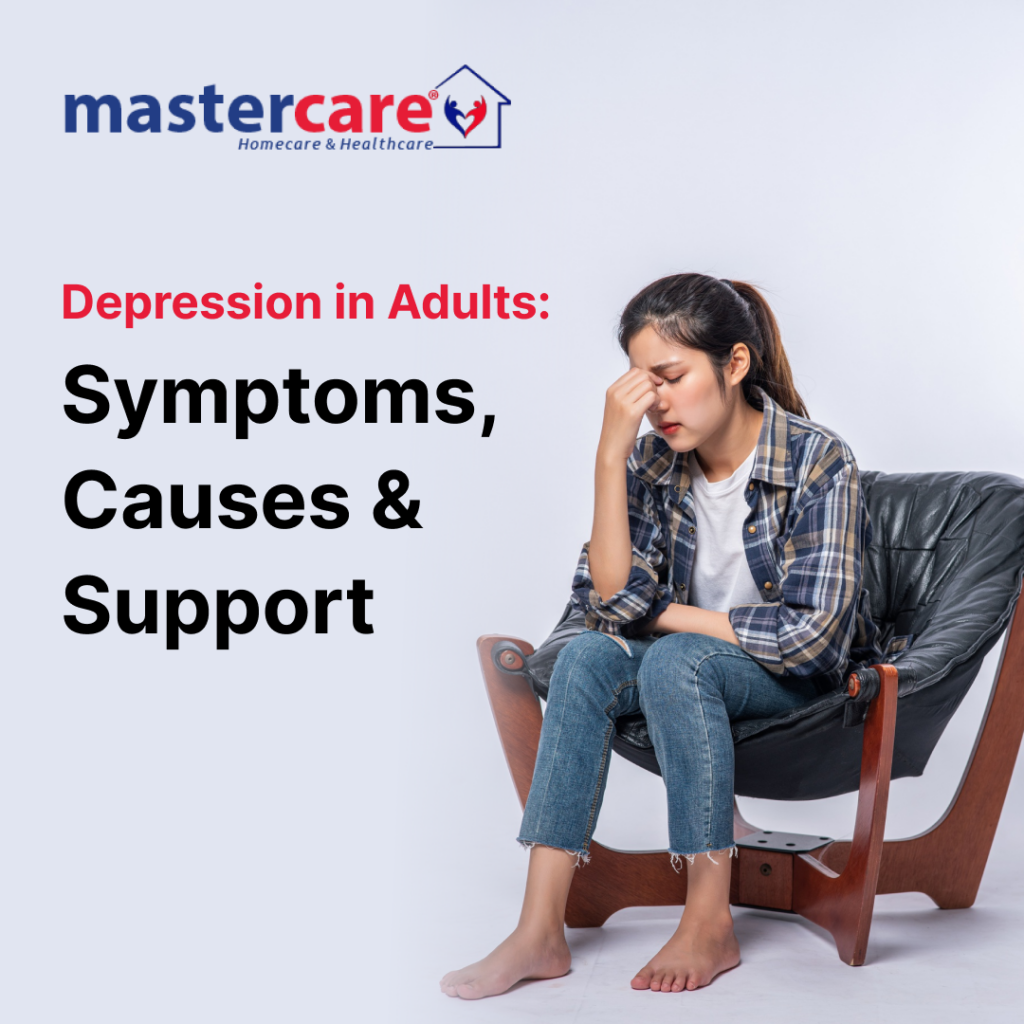
Depression is more than just a bad mood; it is a serious form of mental illness. When someone experiences depression, they will be affected both physically and mentally. This means they will likely experience loss of energy, difficulty concentrating, sleep problems, and difficulties with their daily routines. Many people will have depression at one point in their lives, but many people do not get the proper treatment for this disorder. To effectively deal with this problem, individuals need to be aware of the signs of depression, why they occur, how they can affect people’s life, and ultimately receive appropriate care.
The common symptoms of Depression in adults:
Depressive symptoms may vary greatly between two individuals experiencing the same form of depression; however, there are many common symptoms that appear frequently. A clear indicator of depression is when a person feels sad or empty throughout most of the day. A person suffering from depression will typically lose interest in things they once enjoyed doing such as spending time on their favorite hobby, hanging out with friends, working, socializing. Additionally, it is quite frequent for a person suffering from depression to experience tiredness and/or lack of energy even after getting sufficient sleep. Sleeping difficulties, such as difficulty falling asleep or oversleeping, are extremely common symptoms of depression. Appetite changes either loss of appetite or increased appetite and/or weight gain/loss, along with difficulty concentrating and excessive feelings of guilt, can also occur.
Isolation, insufficient social support, or untreated trauma can worsen the circumstances of many people. Additionally, mood can be adversely affected by a number of medical disorders and drugs. In general, a number of elements are usually involved in the development of depression rather than a single factor.
Finding the support:
Help for adult depression is available and can be effective for some individuals not for every one. Typically, a person will start their journey towards professional assistance by speaking to either a primary care physician or a mental health professional. An accurate assessment is critical to rule out other potential causes of symptoms and determine what needs to happen next.
Nowadays, our age has never demanded a healthy lifestyle as much as it does, regardless of age. Individuals are getting to be more conscious of the advantages that physical activity, proper dieting and adequate sleep have on the mind and the body. Nevertheless, though we know about the healthy options that will prove beneficial to us, it is not always easy to engage in healthy lifestyles particularly in the long-term.
For adults who would like to use a professional program, such as Employee Assistance Programs, Community Mental Health Resources, Counseling Services, etc., they can find continued support through these channels. Often family members and close friends can provide support to adults by being available to listen to them and encourage them to seek help from professionals without pushing them into it.
Taking the first step towards betterment
The typical obstacles that may interfere with the consistency are the work schedule, lack of interest and other issues such as unavailability of resources. Even slight and trivial changes can prove to be very crucial, not to mention when a person becomes used to making all changes simultaneously. This gradual development can eventually turn the tide with time, particularly when it is backed with continuity and goals. It will make a difference and you will be happier and raise your standards of living.
Conclusion:
Adults with depression may show symptoms in their mood, energy level, and daily activities. Depression symptoms are frequently brought on by a mix of psychological, environmental, and biological variables. Helping an adult with depression involves sending them to a specialist, helping them make good changes in their lives, and assisting them in connecting with others. Adults who suffer from depression can overcome it and regain control of their lives if they are taught to identify the symptoms of depression early on and are encouraged to seek assistance.
If obtaining therapy for depression is not life-threatening, don’t put it off. Visit at Mastercare.care and get in touch with a mental health professional or your health care provider. So don’t delay ,find a right health care provider at our platform.