Introduction
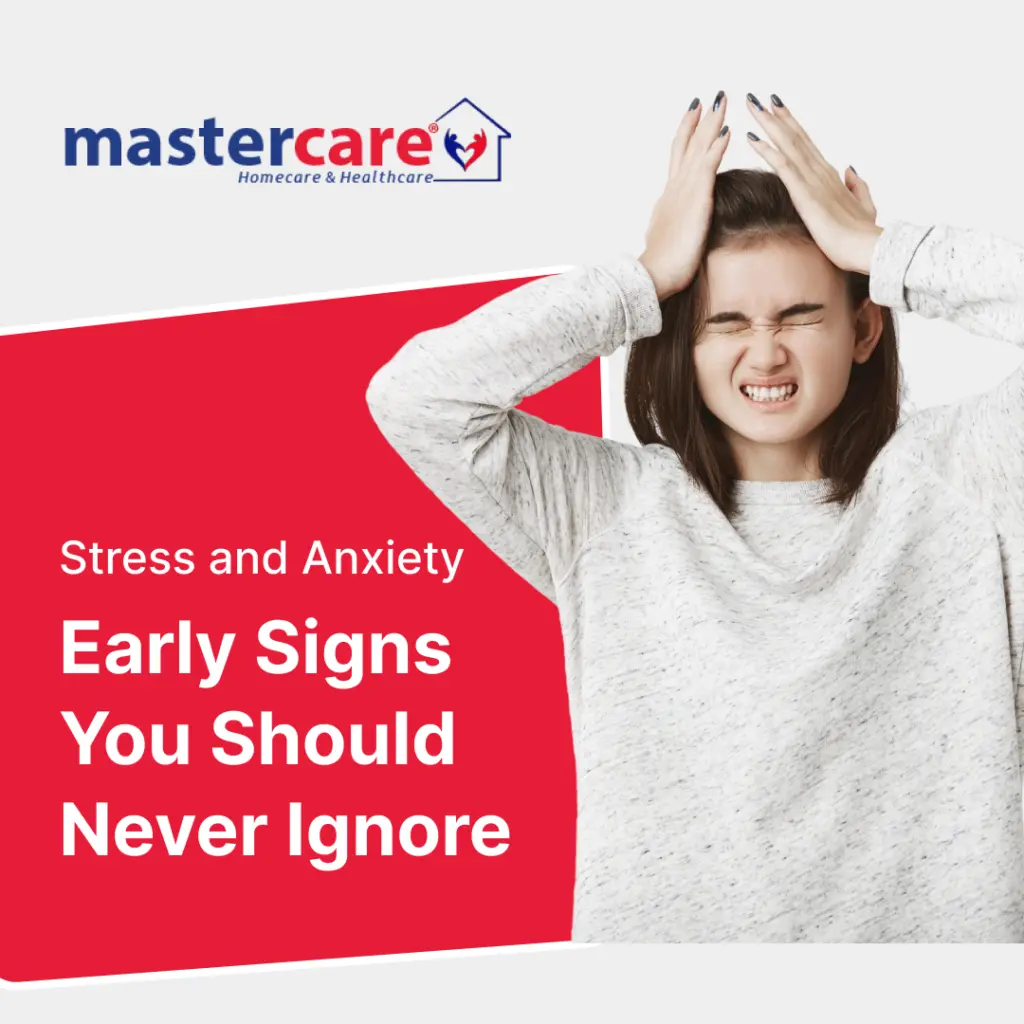
Stress and anxiety are a part of our lives today. Time is running out, duties are mounting on us while we’re bombarded by alerts that keep our brains working overtime. Some amount of pressure sharpens concentration; however, if there is too much stress and anxiety that persistently increases over t it becomes detrimental. However, early symptoms are usually easy of dismissal such as “just a rough week” or “being tired”. Neglecting these signs may allow a mild problem to become more difficult of control.
Early detection of stress and anxiety allows for timely intervention that can prevent disruption to sleep patterns, interpersonal relations at home office life, productivity levels at workplace as well as overall welbeing due to lack thereof. What should you look out for and why is it important.
Body Language Physical Indicators of Health.
Stress and anxiety are usually felt by a person’s body before they’re registered mentally. Early physical symptoms are common to many people.
- Neck muscle pain, shoulder tightness and jaw clenching.
- Headaches are frequent and there is also a tightness of pain in your temples.
- Variations of hunger – either overeating or not eating at all.
- Stomach butterflies, mild nausea, and irregular bowel movements are examples of digestive discomforts.
- Tiredness is unusual when you’re well rested; on the other hand, insomnia causes restlessness which prevents sleep.
They can be individual or collective. These are not random events but happen frequently. Nerves also indicates if there is an excessive load on the body parts that they cannot bear.
Warning of Early Onset Emotional Problems and Mental Health Disorders.
Also stress has an impact on our emotions and mindsets. People mostly observe emotional symptoms first.
- Fretfulness or short temper.
- Edge-like and easily startled.
- Having trouble focusing on work due to mental fogginess.
- Racing thoughts, especially at night
- An increasing issue for common problems which were once easy to solve.
Maybe it relates to past discussions about future meetings, worries , or anxiety without any reason at all. A mental habit may begin to be unconscious before it becomes an automatic behavior due to lack of attention or awareness towards them.
Signs of Behavioral Problems.
They are often found by way of daily activities.
- Leaving behind your friends, family members, or interests which are typical of yours.
- Less amount of time for working tasks due to delaying them.
- Having a lot of coffee/ alcohol and using the internetat the late night to cope with stress.
- Insomnia, restlessness, or waking up and having to get out of bed.
- Pacing around or being unable to sit still in one place.
These are easy to explain away. Some people say, “I’m just tired,” while others says that a weekend getaway will make them feel better. If this situation persists for a few days then you should go for meditation.
Why early identification is crucial
If you notice the early signs of stress and anxiety you should not take it lightly ,it can disrupt the functioning of immune system over the years. Moreover,can increases the risk of severe depression, high blood pressure, and may disturb the sleep pattern.Early recognition allows you to take quick action—such as changing your behavior or learning ways to find relief with the help of friends and family—before the situation worsens to the point where you need to see a doctor.
What Should I Do When I Have Those Symptoms.
They can be individual or collective. These are not random events but happen frequently. Nerves of theirs indicate if there is an excessive load on their body parts that they cannot bear.
- Warning of Early Onset Emotional Problems and Mental Health Disorders.
- Short tempers, irritability.
- Easily startles and on edge.
- Difficulty concentrating on things or feeling like you have a clouded brain.
- A racing mind, particularly at night time.
- An increasing concern for daily problems which were previously easy to handle.
Perhaps you have been talking about something in the past, worried about something in the future, or you have some form of anxiety for which you can’t explain. A mental habit can start out as a minor habit and can then become a habit without intervention.
Conclusion
It is always asssumed that a loud noise can create stress but it begins with slight behavioral changes, mental disorientation, emotional pain, or bodily strain. Despite of personal shortcomings, these initial symptoms are the indicators to listen your body thoughtfully instead of being frenzy.
Do not ignore the signs below if they relate to you. Make one step today – be it a Mini Walk, a phone call to someone who is on hand to listen, a look into professional help. You deserve the attention for your health!
Stress and anxiety in early childhood can alter a child’s daily experience and at Mastercare.care we believe that understanding, and responding to, stress and anxiety early can make a difference. For more information about resources, support and practical advice to help you find a way to coping to feeling better, visit Mastercare.care. This isn’t something you need to do on your own.