Introduction:
Hospitals may save lives, but for older adults may be a source of stress. Home health care also allows the elderly to recover at home through personal assistance. It reduces the risks and augments the comfort. This is easily accomplished on sites such as MasterCare.com, which demonstrate the reasons why it is often the more preferable option in the long-term health.
What Is “Home Healthcare”?
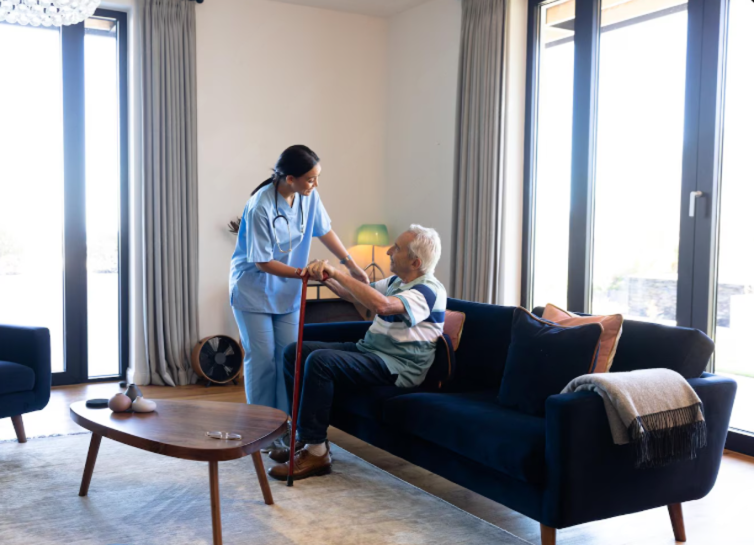
Home health care is defined as a situation involving the visiting of a senior by physicians, nurses, and assistants to provide medical care to the elderly. They are able to do everything- clean wounds, give out medications, assist in exercises, etc, and the individual would not carry anything. Visits may be an hour or throughout the day, and you can personalize your visits to whatever the individual requires, such as monitoring blood sugar or assisting in post-surgery recovery.
Comfort That Speeds Healing
There is nothing like remaining at the comforting location. The old-fashioned patients might be disoriented by the loud, bright, and full of strangers atmosphere of a hospital, and even be confused into delirium. Staying at home will allow the seniors to relax, surrounded by aromas, images, and pets that make them feel better. The recovery is even better, they can sleep according to their taste, eat home-cooked food, and move freely. Research indicates that home care reduces the recovery period by 20-30 percent since the pressure is relieved when you are at home. Imagine grandma sitting with her nanny and having tea rather than glaring at beeping machines- joy is a great difference.
Fewer Infections and Risks
The spread of germs such as dangerous MRSA that afflict 1/20 seniors annually is a germ spreader in hospitals. Home care minimizes this risk by approximately 70 percent since a clean house is safer than shared hospital rooms. Caregivers maintain cleanliness and educate proper hygiene, and early fevers are detected. The risk of bed-sores, clots, and medication errors is reduced at home since the caregiver works one-on-one and has the ability to change plans easily without having to hand-off and resulting in errors.
One-on-One Care is Better than a One-Size-Fits-All.
Many patients are attended by the hospitals, and therefore, there is a thin spreading of attention. Home care offers just one elderly person- diets to the heart, therapy to the heart, or brain games to improve memory. The elderly receive dedicated time and trust with the same caregiver on a weekly basis. This intimate bond picks up minor variations such as a loss of appetite, which could be an indication of depression. Home teams also avoid readmissions, which cost billions annually, by rushing discharges in hospitals. Its love is not a treatment, a cure.
Savings Made Without Compromise.
The hospital night rate is high, and it adds quite quickly. Home care is a cheaper option of between 25-40 an hour and can be 40-60 per cent less in total, and Medicare can also pay skilled visits to the home of eligible seniors. Families do not travel, stay in hotels, or even miss out on work, and relishing savings. Fewer complications will result in reduced bills in the long term. It is funded by programs such as Medicaid waivers in most states, and this stretches the budgets even more. MasterCare.com does the work of paperwork to ensure that people do not have to compromise quality to enjoy the real savings.
Family Bonds Stay Strong
A visit to hospitals is restricted, and this can be isolating. Home care allows families to remain close via natural help under the leadership of professionals. Adult children are able to visit at dinner time rather than sterile corridors, relieving burnout and guilt. Emotional well-being is enhanced; the seniors will feel appreciated, open-minded and loneliness a silent killer, will be reduced. Souls get to sleep knowing that there are trusted teams around them.
Real‑Life Wins Prove It
Consider 82-year-old Tom, who has undergone a hip operation. Hospital delirium ensued, and within weeks, he was walking about, uninfected, laughing with the grandkids, back at home. Or COPD, Maria’s home oxygen modifications prevented readmissions and saved thousands. Such outcomes are more the norm than the exception. Home care is better than hospital work in the case of a long-term or a recovery hospital.
Conclusion:
Home care upholds the dignity, health, and homes of the seniors in a manner that hospitals do not. It is more secure, gentler, and frequently a necessity for graceful aging. Ready to bring healing home? Enroll at MasterCare.com now and get a free evaluation. Enter the needs, receive the matches of local pros, and within days